
SYMBIOSE
Got dandruff? Discover the causes and how to get rid of it
If dandruff flakes have got you down, know that you’re not alone. Here we reveal the no-nonsense guide you need to treat your dandruff and prevent unwanted flare-ups.
Dandruff is one of the most common scalp concerns with 2 billion women experiencing unwanted dandruff flakes—that’s half the women in the world. Here we reveal what causes dandruff, as well as the lifestyle factors that trigger flare-ups, plus how to treat dandruff in the short- and long-term with our effective new Symbiose range.
Especially created for those who are dealing with dandruff, Symbiose’s indulgent formulas mean you don’t have to compromise on your luxury in-shower experience when you want to wave bye bye to dandruff flakes.
What is dandruff?
We all shed our skin. In fact, humans shed their entire outer layer of skin every 2-4 weeks. Seborrheic dermatitis and dandruff are the same disease that affect different parts of the body, with dandruff restricted to the scalp*. A healthy scalp usually renews its cells every 14 days but when dandruff occurs the skin overproduces cells and the renewal process takes just 7 days. The combination of the excess cells and the speed of renewal causes flakes to cluster on the scalp, often along the top of the head, behind the ears and at the nape of the neck. When they finally dislodge the large white flakes are more noticeable than usual, especially in dark or short hair. A mild form of seborrheic dermatitis, dandruff doesn’t just cause flakes to fall, it can also leave the scalp red, irritated and oily.
A concern some have, is can dandruff cause hair loss? And, in short, the answer is no. However, if your scalp is irritated enough for you to itch it a lot, you could damage the scalp which could, in turn, slow hair growth. That’s why it’s best to get to the root of the problem and get things under control.

What Causes Dandruff?
There are various known triggers, so if you are dealing with unwanted dandruff then it could be down to any of the following causes:
Malassezia Restricta Micro-Organism
Most cases of dandruff can be traced to a single-celled micro-organism that exists on all scalps called malassezia resticta. It feed on the oils and produces oleic acid, which can irritate some scalps triggering an immune response causing rapid skin cells proliferation leading to irritation, redness and dandruff flakes.
A sudden drop in temperature
When the colder temperatures hit, there tends to be less moisture in the air both outside and inside where central heating can dehydrate the skin. This dryness can trigger an overproduction of sebum** that the malassezia restricta feeds off causing a dandruff flare-up. One study in India found that dandruff was worse in the colder northern regions than in the south***, where the high humidity could have reduced the severity of the dandruff cases.
Using the wrong hair and scalp products
This can lead to a condition known as dermatitis (a general term for skin irritation) and dandruff. It’s important to wash hair with dandruff regularly to dislodge the flakes but you need to ensure you’re using the right products.
Other factors that cause dandruff
While stress can’t cause dandruff to start, it can cause dandruff to worsen. The same goes for external aggressors like pollution and bad diet.

How To Get Rid Of Dandruff?
If, by now, you have realized you have dandruff you might be wondering - will dandruff go away on its own? Unfortunately it won’t, you need to look at using products specially formulated with dandruff in mind to tackle the micro-organism that’s causing the proliferation of flakes. A microbiome product that helps balance the micro-organism will be your best line of defense when it comes to dandruff, as well as a shampoo and scalp scrub as they will help loosen those flakes, soothe the scalp and reduce the oil.
Another question many with dandruff ask is - whether dandruff can be cured? While there is no medication that can get rid of dandruff for good, it can be effectively and easily managed with the right hair products. Once it’s under control, you may get the occasional flare-up if you’re stressed or the weather is getting colder, but well formulated products can work wonders.

So what products should you use to treat your dandruff?
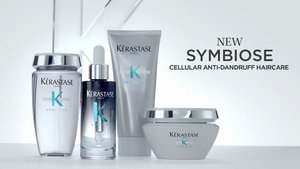
Symbiose is a new range of hair products formulated to treat the causes and symptoms of dandruff with three key ingredients.
Salicylic acid instantly acts to dissolve the flakes thanks to its exfoliating and cleansing action; bifidus works to feed a healthy scalp eco-system, while piroctone olamine regulates the microbiome imbalance, effectively ‘killing’ the unwanted malassezia restricta micro-organism.

Symbiose for Dandruff
The Symbiose range includes six products and has been formulated so you can still enjoy a luxurious hair washing experience whilst also functioning as an effective dandruff treatment. Symbiose’s claim is Alliance is Power, the focus for this range is the alliance between ingredients, as well as the effectiveness of the alliance between day and night products.With Symbiose you can enjoy instant benefits and long-term efficacy allied with luxurious care.
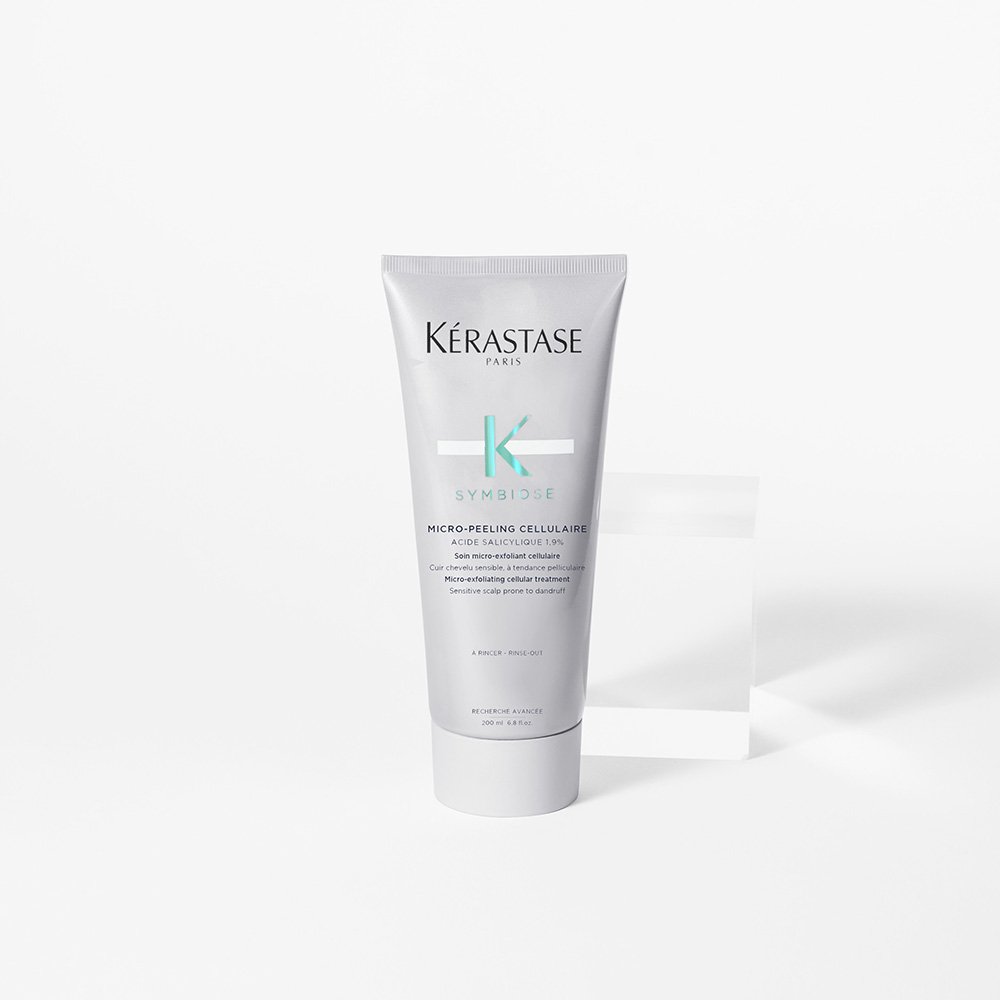
Micro-Peeling Cellulaire
Enriched with 1.9% Salicylic Acid, instantly removes visible flakes1
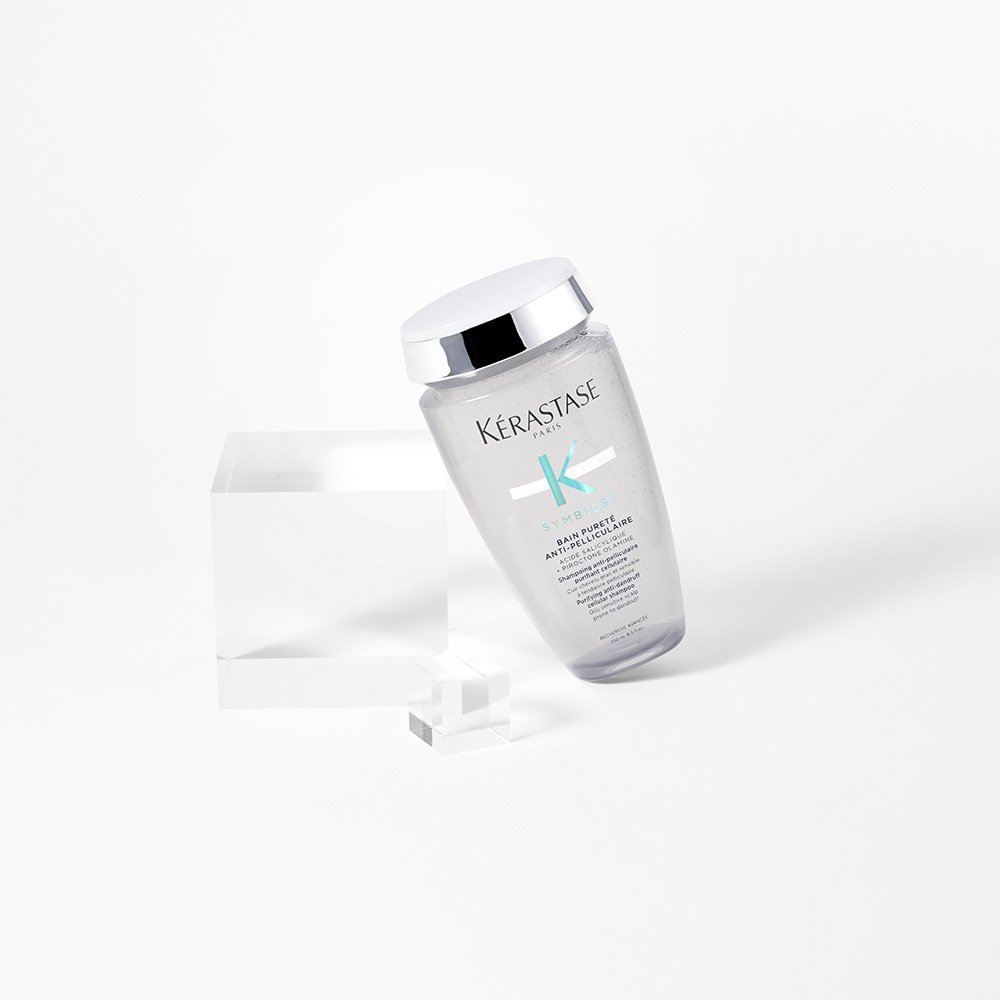
Bain Pureté Anti-Pelliculaire
Suitable for oily sensitive scalp prone to dandruff, helps to purify the scalp by removing visible flakes.
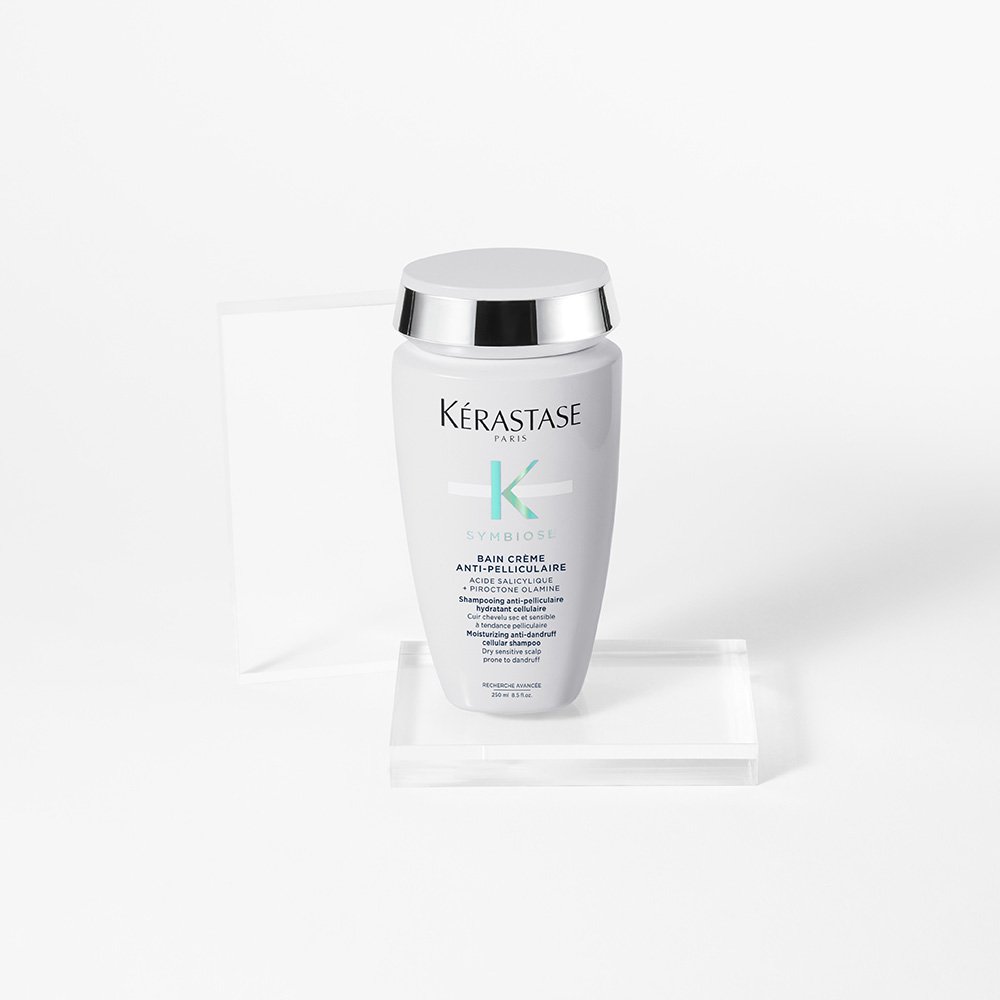
Bain Crème Anti-pelliculaire
Suitable for dry sensitive scalp prone to dandruff. No added sulfates.
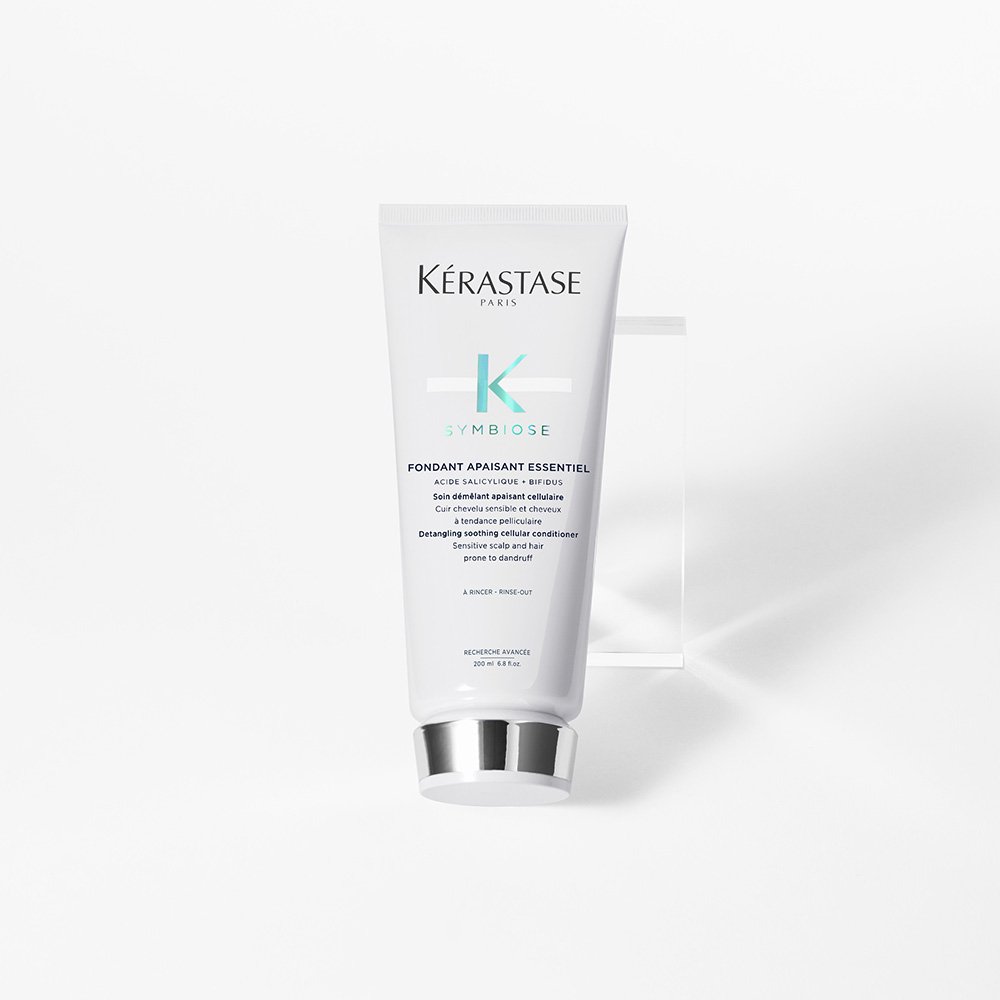
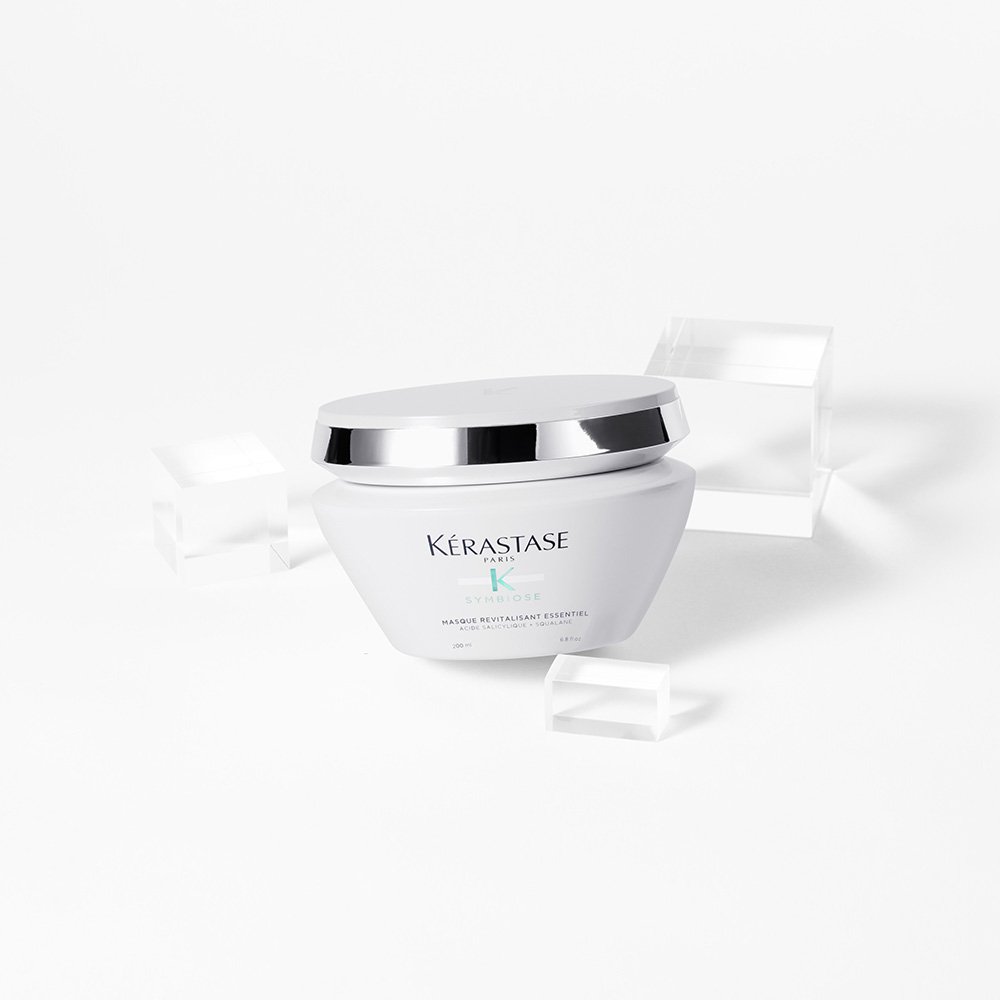
Masque Revitalisant Essentiel
Up to +97% hair moisture2. Intense nutrition for a softer fiber.
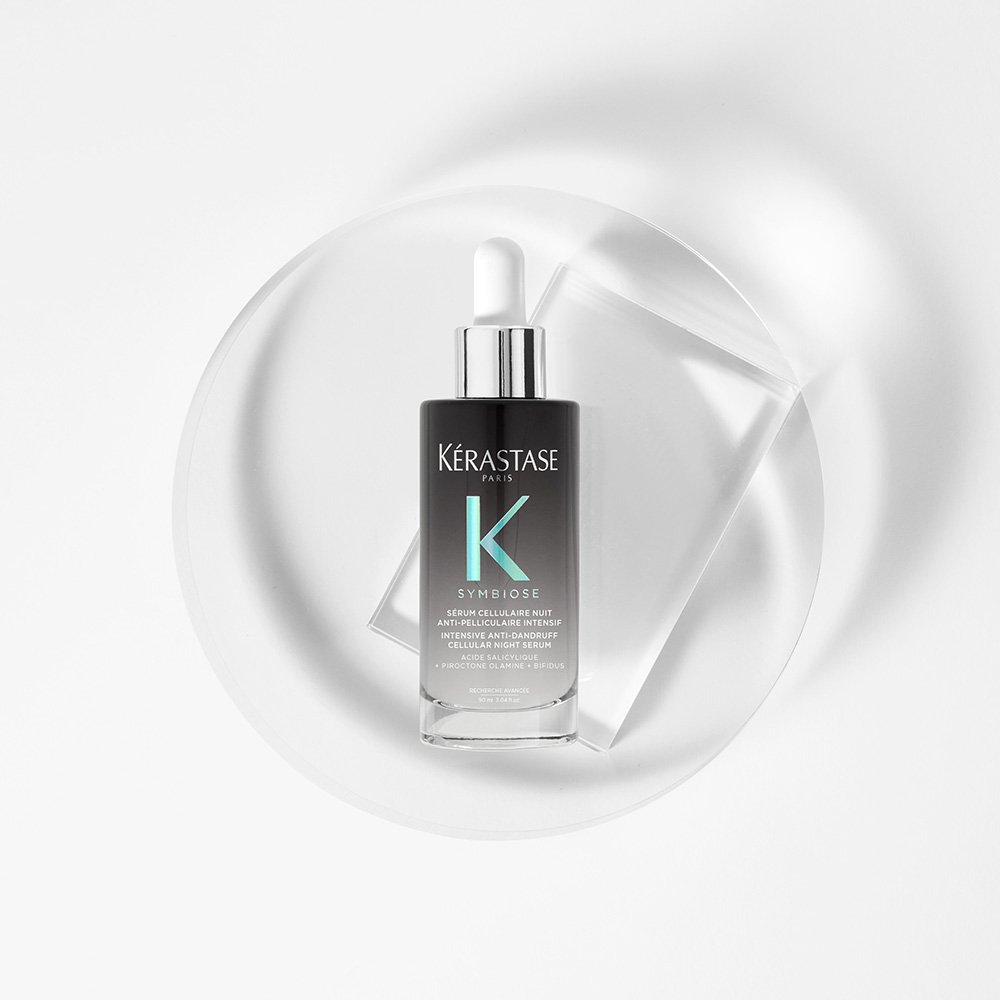
Serum Cellulaire Nuit Anti-Pelliculaire Intensif
Helps fight against microbiome imbalance, prevent dandruff from reappearing3.
1 Self-assessment, 61 women, immediately after application of MICRO-PEELING CELLULAIRE
2 Instrumental test after application of Masque Revitalisant Essentiel
3 Clinical scoring on 37 women, after 4 weeks application (3 times a week) of SERUM CELLULAIRE NUIT ANTI-PELLICULAIRE INTENSIF, followed by assessment 3 weeks after last application.
* “Seborrheic Dermatitis and Dandruff: A Comprehensive Review”, Department of Dermatology and Cutaneous Surgery, University of Miami Miller School of Medicine
** “Seasonal Modulation of Sebum Excretion”, Department of Dermatopathology, University of Liège, Belgium
*** “Association of Malassezia species with dandruff”, Department of Medical Microbiology, Postgraduate Institute of Medical Education & Research,

How Can I Know If My Scalp Is Healthy?
If you want an expert opinion on your scalp, head to your nearest Kérastase salon. Our in-salon teams are expertly equipped to diagnose your scalp concerns and help advise you on the best products and in-salon treatments.

